




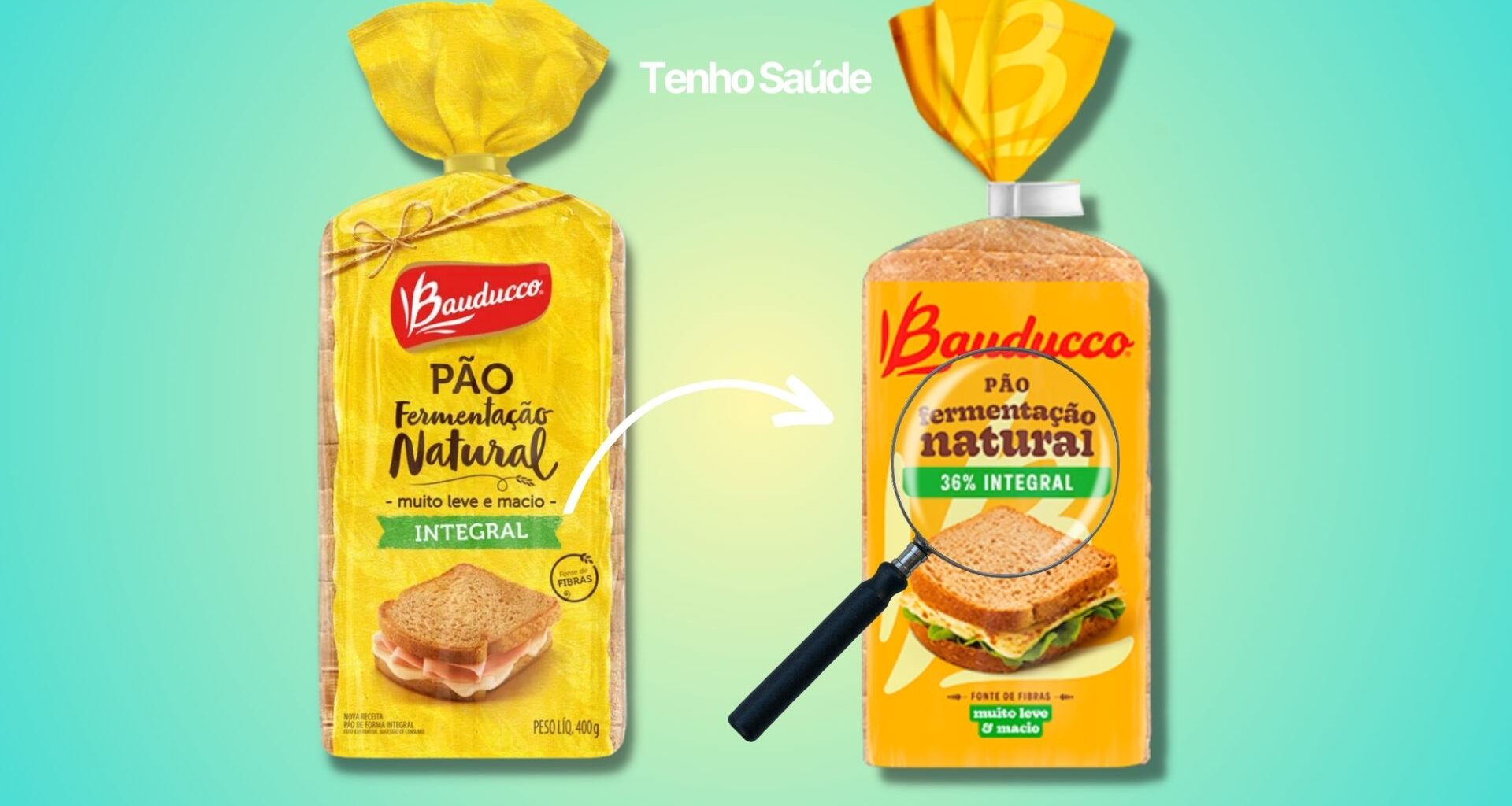

Do you have a habit of buying whole grain foods? Be careful when you go to the supermarket, as the packaging of these products is undergoing significant changes.
The National Health Surveillance Agency (Anvisa) has implemented new labeling rules for whole foods, such as bread, toast and cookies, since April this year.
Under the new rules, labels will highlight the percentage of whole grain ingredients in the product. This will let you know exactly how much whole grain you’re getting.
In addition, information on the energy value and nutrients present in foods will also be highlighted, helping you understand the impact of these products on your daily diet.
What are the changes?
Until then, in Brazil, there was no specific legislation that established the criteria to determine what is considered a whole food.
This allowed manufacturers to label products as “whole grain” as a marketing strategy, even if those products were only enriched or contained negligible amounts.
From now on, for a product to be able to use the word “integral” on its label, it must contain at least 30% of whole ingredients. This percentage must be highlighted clearly and visibly on the packaging
This requirement is essential to avoid any form of confusion or deception.
Now, when you see the word whole grain on a product label, you can be sure that it contains a significant amount of whole grain ingredients, which bring important nutritional benefits to your diet.
It is relevant to emphasize that the change does not cover whole grain flours or products made exclusively with whole grains, such as brown rice. These foods are already naturally considered whole grains, as they do not undergo any refining processes.
Understanding the new rules:
Rules for classifying a whole food:
1 — Only products that contain at least 30% of whole ingredients may be classified as whole on the label.
2 — The amount of whole ingredients should always be greater than the amount of refined ingredients. This proportion ensures that the food actually contains a significant amount of whole components.
3 — In the case of concentrated or powdered foods (which require preparation before consumption), such as chocolate drinks or cake mixes, the new rules must be applied considering the food already ready for consumption. This ensures that even after the necessary modification for consumption, the final product still meets the established requirements for whole ingredients.
Whole vs. Refined:
Anvisa implemented a resolution that establishes a clear distinction between whole and refined ingredients.
Whole grains are those that no have undergone refining processes, maintaining their external parts, such as the shell, and retaining most of the essential fibers, vitamins and minerals.
Refined cereals are generally refined or enriched, and can lose nutrients during this process.
So when examining a product's ingredient list, look for ingredients like “whole wheat flour” or “brown rice,” which indicate the presence of whole grains.
These ingredients are indicative of a product that offers superior nutritional benefits compared to foods made with refined ingredients.
Anvisa's new rules apply to foods that contain cereals, such as wheat and corn, or pseudocereals, which are seeds with characteristics similar to those of cereals, such as quinoa and buckwheat.
Readable percentage information:
Products that use the word “wholegrain” on their packaging must provide clear information about the total percentage of wholegrain ingredients present in the food.
This information must be presented using characters of the same type, size and color, making it easier for consumers to identify.
For drinks and other liquid products, it is necessary to change the term “integral” by the expression “with whole grains“This ensures that consumers understand that the product contains whole grains and other ingredients.
Compliance period
Anvisa's resolution regarding the labeling of whole foods was published on September 1, 2022. However, a deadline was established for brands to adapt to the new requirements.
Until April 22 of this year, it was permitted to manufacture products without meeting the new requirements, and these products can be sold until the end of their expiration date.
In the case of pasta made from flour, such as spaghetti or penne, the deadline to comply with the new requirements is extended until 2024. This indicates that these products can continue to be manufactured and marketed without the need to immediately meet all the new requirements by that date.
Consequences of non-compliance:
Failure to comply with the new rules established constitutes a health infraction, subject to penalties in accordance with current legislation.
These penalties may include warnings, application of fines, banning of products and even cancellation of the company's operating license.
Examples of the new label:
Some brands of whole grain products have already made changes to their packaging after the implementation of the new Anvisa rules.
Product suitable for wholemeal:
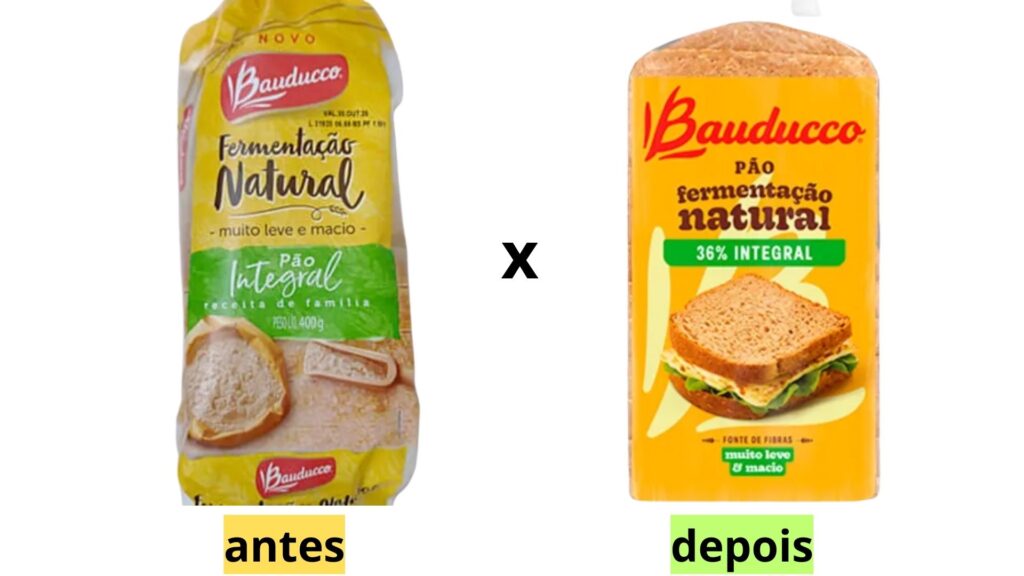
The Bauducco brand's wholegrain line, which meets the requirements to identify the product as wholegrain, has changed the label, including the description for “36% wholegrain”.
Products that have left the full label
Some brands, such as Nutrella, have chosen to replace the expression “100% integral” by other expressions such as “100% natural” or “100% healthy” and other variations on their labels.
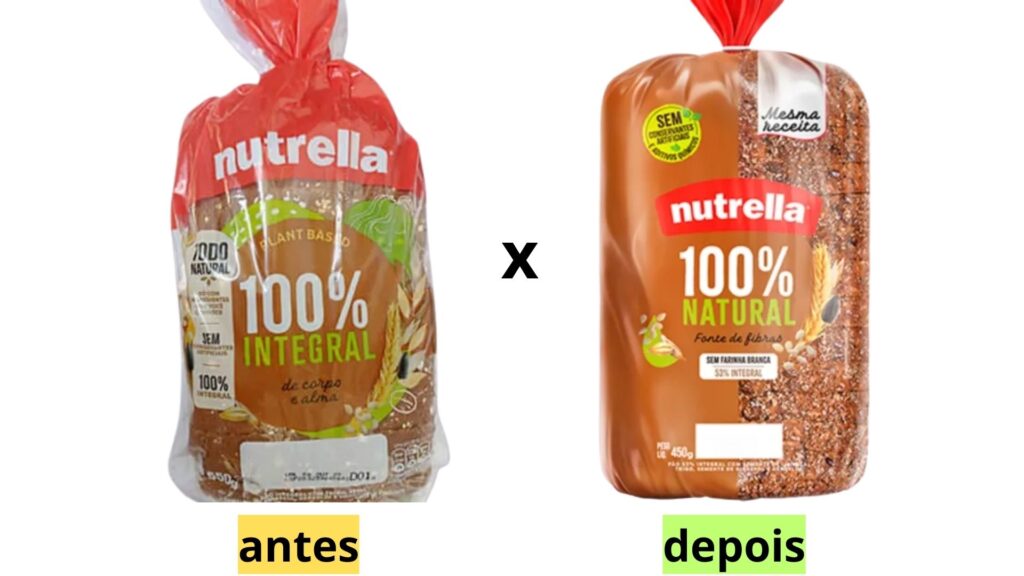
This change could be a strategy adopted to communicate the quality and benefits of products more comprehensively.
Although the expression “100% integral” is no longer present, these brands seek to convey the idea that their products are made with natural and healthy ingredients.
However, it is important to highlight that the absence of the expression “100% integral” does not necessarily mean that the product does not contain whole ingredients.
For more detailed information about the composition of products and the presence of whole ingredients, consumers are advised to check the list of ingredients on the packaging.
Benefits of whole foods:
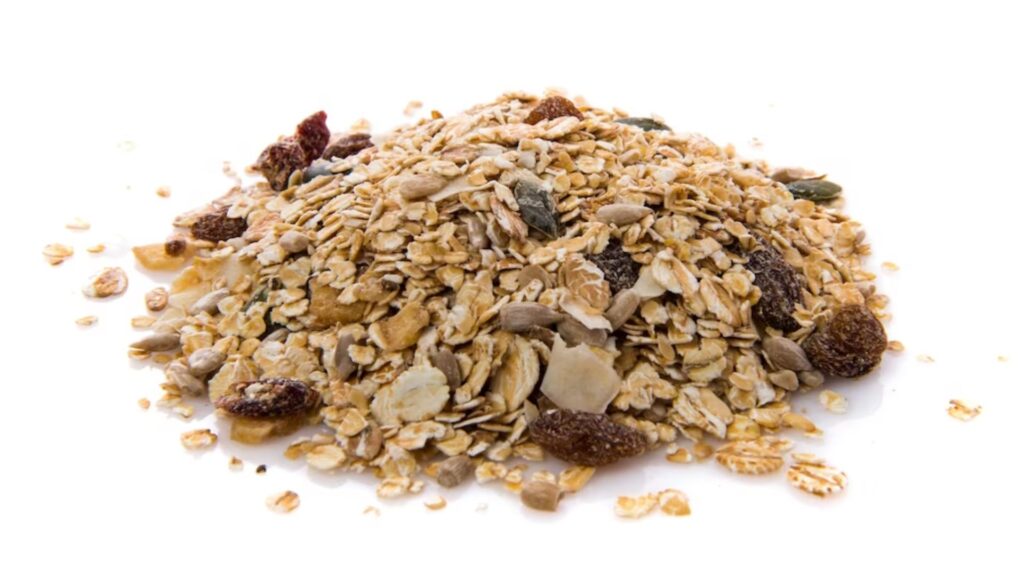
Whole foods are widely recommended for their health benefits. They are absorbed more slowly by the body than refined foods and have a higher fiber content.
The fiber in whole grains helps slow digestion, which promotes a feeling of fullness for longer. This can be beneficial for weight management, as it helps reduce overeating.
Fiber also helps the digestive system function properly, preventing problems such as constipation and contributing to intestinal health.
Additionally, fiber plays an important role in controlling blood sugar levels, helping to prevent spikes in blood sugar.
By choosing whole foods, you will be choosing more nutritious options that promote better balance in the body. These foods are sources of vitamins, minerals and other nutrients that are essential for health.
Our opinion
The implementation of these rules aims to protect and inform Brazilian consumers, providing them with a more transparent and safer shopping experience.
With these measures, consumers will be able to make healthier and more conscious food choices, avoiding being misled by labeling.
By becoming aware of the new rules and seeking out products that meet these requirements, consumers will be promoting their own health while encouraging the industry to offer quality whole foods.
For more news, visit our website I am healthy, follow on Instagram @tenhosaude and on TikTok @tenhosaude.com.
Source: ANVISA and Globo.


 Português do Brasil
 English
 Español
 Português
 Español de Argentina
 Español de Chile
 Español de Uruguay
 Español de Colombia
 English (South Africa)
 English (Australia)
 Português de Angola
 Suomi
Suomi